

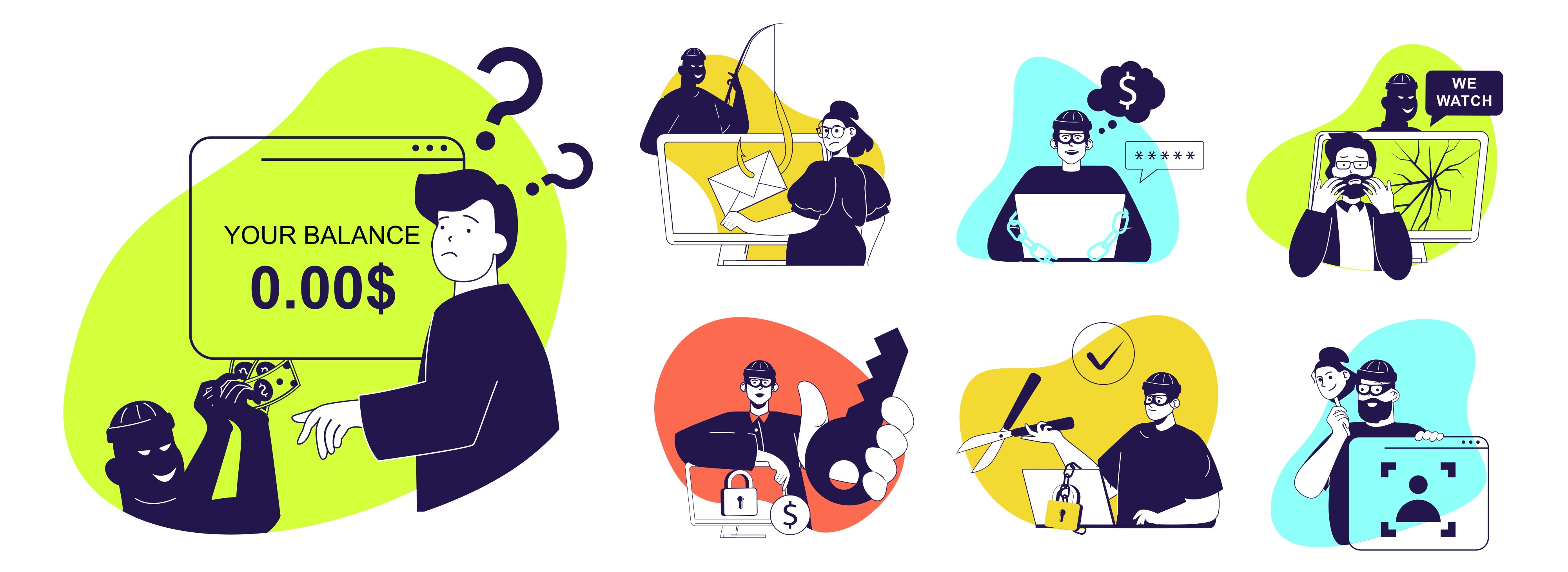
There used to be a certain image that people had in mind when they thought about ‘typical’ scam victims. Maybe an image of an older adult answering a suspicious phone call, or a busy business owner tricked by a fake invoice. But that picture no longer holds up. Today, there is no ‘typical’ scam victim. Anyone can be targeted, and anyone can become a victim. All it takes is a well-crafted, persuasive and relevant message arriving at the right moment to feel believable.
Younger people, who grew up with technology and are often seen as more digitally savvy, are now targeted through social media platforms, payment apps, and even online gaming spaces. A friendly message, or even a seemingly urgent request from a ‘friend,’ can quickly turn into something more harmful. No age group is off limits, as industry data shows.
Part of what makes scams so effective is how closely they are tied to our everyday lives. Think about how often we connect with others online: chatting with friends, joining community groups, buying and selling items, or simply scrolling through updates. These normal, routine activities create opportunities that scammers are quick to exploit. For example, meeting new people online can open the door to romance scams or fake friendships built on trust. Even something as simple as receiving a delivery notification can be mimicked to manipulate someone into clicking a malicious link.
At the same time, scammers are becoming more sophisticated. The days of obvious spelling mistakes and clumsy messages are fading. Many scams now involve polished websites, realistic-looking apps, and messages that are very convincing and may not have typical warning signs. It’s getting harder to tell what’s real and what isn’t.
The scale of the problem is growing, too. Reports show that scams starting with text messages have surged dramatically, reaching 470 million in recent years, five times higher than just a few years ago. In fact, one large-scale analysis of user reports found that nearly 90% of reported scam attempts began with a simple text message. That’s striking when you consider how often we check our phones and how easily a message can catch our attention.
Text messages feel personal. They arrive quietly, often without the same skepticism we might apply to emails or phone calls. Whereas we may not answer a call from a strange number, we would probably read a message from a stranger.
Additionally, text messages carry a social expectation that recipients will reply quickly, creating a sense of urgency that is often less pronounced with other forms of communication. And that’s exactly why scammers use them so often.
This is where tools like the ScamRanger app make a meaningful difference. Instead of relying solely on people to spot every suspicious message on their own, ScamRanger can be a scam prevention partner. It helps identify scam texts through both manual review and automatic filtering, catching patterns and warning signs that might otherwise go unnoticed, especially with novel scams.
What makes it especially valuable is that it doesn’t just protect you, it can extend that protection to your friends and family. With its ‘Trusted Contacts’ capability, users can look out for loved ones who may be more vulnerable. If a suspicious message targets them, a trusted contact is alerted and can step in early, before scam manipulation takes hold. That kind of early intervention can prevent financial loss, but also the emotional toll that scams often leave behind.
Who can benefit from ScamRanger?
The answer is anyone.
- Older adults who want help navigating unfamiliar or suspicious messages or offers
- Family members who worry about aging relatives
- Young people who may want to learn if a social media message they received is something to worry about
- Parents concerned about their children, especially with the rise of sextortion and extortion scams targeting younger users
- Those who have already experienced a scam - having a tool like this can be part of rebuilding a sense of control and safety
The reality is that modern communication is overwhelming. We receive a constant stream of messages, notifications, and updates every day. In that environment, it’s easy for something harmful to blend in with everything else. As scams become more aggressive and more convincing, the risk of falling victim increases for all of us.
That’s why prevention matters more than ever. Not to be overly cautious or fearful, but recognizing that the landscape has changed and taking simple, practical steps to stay safe.
In future blog posts, we will explore specific use cases, applying them to real people and the common scams and vulnerabilities that affect them, to help bring awareness of how scams operate.
For more inforamtion about RangersAI and ScamRanger, contact us at info@scamranger.ai
Photo Credit: https://unsplash.com/@vectorelements


