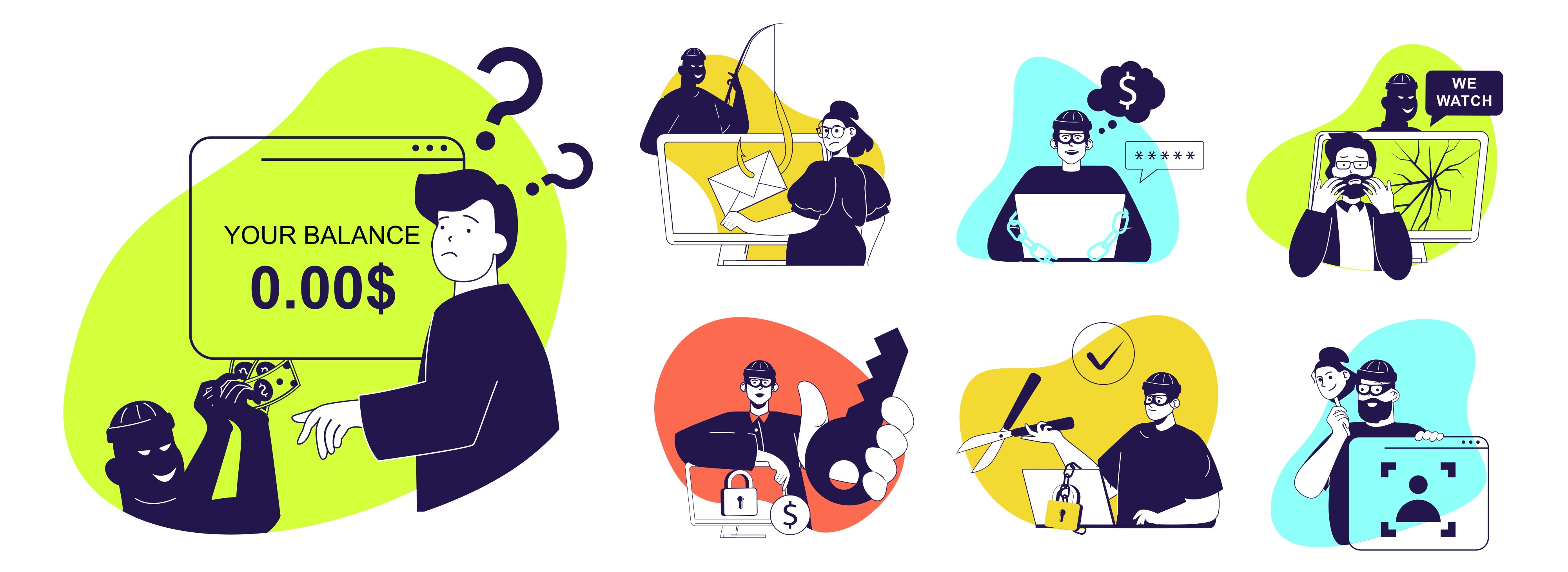
Scams rarely begin with a demand for money. They begin with a story.
That story might arrive as a job offer, a romantic message, a missed toll notice, or a warning designed to scare you into action. What follows is not chaos or randomness, but a carefully engineered psychological journey that pulls people in step by step.
In a recent Scam Rangers podcast conversation, fraud psychology researcher Martina Dove helped unpack how scams work from the inside out. The discussion traced the scam lifecycle from the first point of contact to the moment money moves, and highlighted why traditional interventions often fail when empathy is missing.
What emerged is a powerful insight: scams are not about intelligence. They are about timing, emotion, and manipulation.
Scams Can Happen to Anyone
One of the most persistent myths about scams is that only certain people fall victim. Older adults. Less educated individuals. People who are not tech savvy.
Research consistently shows this is false.
Scams succeed because vulnerability is situational, not permanent. A person may be resilient for years and then become vulnerable during a period of loss, loneliness, financial stress, or transition. Looking for a job. Grieving a partner. Recovering from divorce. Facing uncertainty.
Scammers do not look for who you are. They look for where you are in your life.
This is why scams increasingly target professionals, small business owners, and people who appear confident and capable. Modern scams are designed as products that adapt to the person on the other side.
The First Hook: Stories That Feel Familiar
At the beginning of a scam, the message rarely looks suspicious.
It mirrors legitimate communication. Recruiters really do text people. Companies really do follow up. Friends really do introduce investment ideas.
Grammar mistakes and awkward phrasing are no longer reliable warning signs. With AI tools, scam messages are often polished, specific, and contextually accurate.
What stays the same are the stories. Job opportunities. Romantic connections. Investment success. Urgent warnings. These narratives have not changed for centuries. Only the delivery has.
Once a person responds, the scammer adapts. The conversation becomes dynamic. Questions are answered. Doubts are soothed. Credibility cues are added, including documents, contracts, and familiar platforms.
This is where manipulation begins.
Grooming Is the Most Dangerous Phase
Long-running scams do not rely on fear alone. They rely on grooming.
The scammer builds emotional connection through constant communication. They ask about fears, goals, relationships, and dreams. Over time, the victim shares deeply personal information.
Then something changes.
The scammer introduces scarcity. They respond less. They withdraw slightly. They become harder to reach. Anxiety grows. The victim works harder to restore the connection.
Only then does money enter the conversation.
At this point, the victim is no longer acting rationally. Stress, anxiety, and emotional attachment impair decision-making. Executive function declines. Memory and judgment are affected.
By the time a bank intervenes, the person standing at the counter is not the same person who first received the message.
Why Bank Interventions Often Fail
Financial institutions usually intervene at the moment money moves. This is logical from a fraud detection standpoint, but psychologically it is often too late.
Victims may already believe the scammer more than the bank. Some have been coached in advance on what to say. Others genuinely believe they are protecting a relationship or helping an investigation.
Authority-based warnings tend to backfire. Asking direct questions like “Do you know this person?” can fail because the emotional bond feels stronger and longer than the calendar suggests.
What works better is empathy and friction.
Rather than telling someone not to act, effective interventions encourage slowing down. Suggesting a delay. Asking how the person feels. Creating space for doubt without confrontation.
Empathy does not mean agreement. It means meeting people where they are so they can begin to think again.
Fear-Based Scams and Emotional Hijacking
Some scams move faster and rely on fear rather than grooming.
Extortion. Fake arrests. Impersonation of authorities. Deepfake calls pretending to be a loved one in danger.
Fear triggers immediate physiological reactions. Elevated heart rate. Narrowed focus. Urgency. In these moments, logic disappears.
This is why education matters most before the scam occurs. People who have been warned about how scams make them feel are more likely to recognize fear as a signal, not a command.
Prevention Works Better Than Intervention
The most effective protection happens before emotional investment begins.
Once a person responds to a scammer, disengaging becomes exponentially harder. Every message exchanged increases manipulation.
Prevention through storytelling is one of the most powerful tools available. People remember stories. They recall them in moments of stress. They recognize patterns when it matters.
Education that relies on “never do this” messaging is less effective than education that explains why, how, and what it feels like to be manipulated.
Scam prevention should feel human, not authoritarian.
AI Changes the Scale, Not the Psychology
Artificial intelligence is accelerating scams in two ways.
First, it allows scammers to convincingly fake voices, documents, websites, and identities. Humans trust what they see and hear. When those signals are compromised, reality becomes unstable.
Second, AI enables scams at scale. The same grooming playbooks once used by human operators can now be automated, personalized, and deployed cheaply.
The psychology has not changed. The speed and reach have.
This makes early detection, education, and emotional awareness even more critical.
A Holistic Approach Is the Only Way Forward
Scams cannot be stopped at a single point.
Protection must exist across the lifecycle, from the first message to the final transaction. It requires technology, education, empathy, and community awareness working together.
Empathy is not just the right thing to do. It is the most effective way to help people pause, reflect, and regain control.
Prevention is not optional. It is the foundation that makes every other intervention possible.