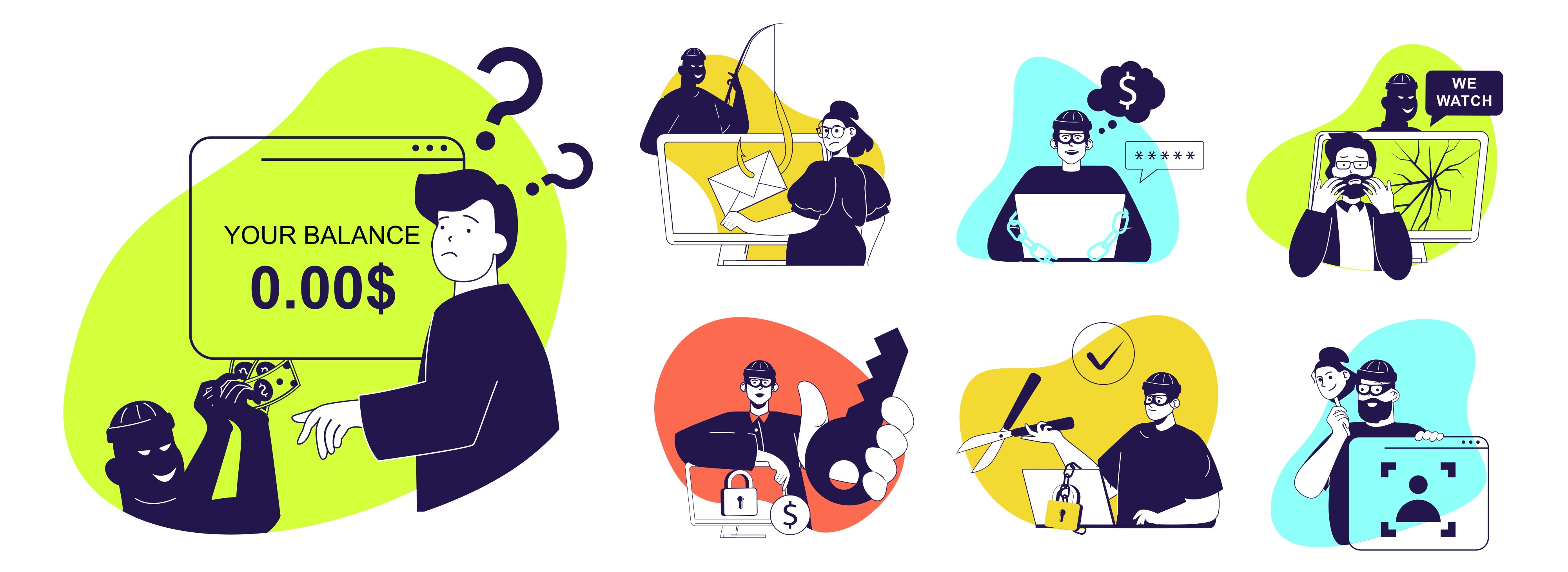

One thing that I hear a lot from every single person I talk to about their scam experience is: ‘I thought it would not happen to me because I am an intelligent person’. Victimization often comes as a surprise and devours one's self esteem. Why does this happen? Why do we think that scams would not happen to us, until they do?
How beliefs about control and fairness shape our judgments of scam victims
Our brains are very good at optimizing happiness because this is important for healthy self-esteem. As a result, we believe we have more control over random events than we really do. Similarly, we like to believe that the world is a just place, where good things happen to good people and bad things happen to those who deserve them. Karma. In reality, the world is often a very unfair place, and bad things happen to good people all the time.
The ‘Illusion of control’ and the ‘Belief in a just world’ are two cognitive biases that are healthy for us when it comes to our life, but problematic when it comes to scams. For example, if we believed that we have no control over our lives or that we live in a world without justice, it would affect our thoughts, emotions, and behaviors, as well as our confidence and self-esteem. It would likely lead to sadness, helplessness, and despair.
Interestingly, what helps us live our lives as positive and healthy human beings can also make us judgmental toward scam victims. We often try to reason why they were deceived, and conclude that it must have been a lapse in judgment, a lack of common sense, greed, or some other factor that we would be able to control if it happened to us. Very often, we do not consider whether the scam was sophisticated, highly manipulative, or very well executed. We assume that it was the victim's fault and feel reassured that it would not happen to us.
The hidden cost of believing we would never be deceived
When victimization happens, it can be utterly devastating because it brings this whole illusion structure crashing down. In that moment, when the financial, emotional, and psychological consequences of the scam hit hard, and the anger, stress, desperation, and sense of injustice are overwhelming, you think about the time when you yourself believed that scams happened to people who were gullible, naive, silly, or careless.
And now that is you.
This is often what many fraud victims deeply struggle with. The same illusions that make us think that we would be able to spot a scam, no matter how sophisticated, now create self blame because we did not. But scams are becoming increasingly sophisticated. Aided by AI, criminals can create fake apps, websites, documents, videos, and voices, creating a false reality that is difficult to verify and sometimes nearly impossible to distinguish from what is real.
How these factors increase susceptibility to scam messages
I want to raise awareness of this because these two cognitive biases can also make us more vulnerable to scams. They create a false sense of confidence and reassurance when we should be questioning things. For example, my own research found that people who held stronger beliefs that scams happen to gullible people and that police would investigate and prosecute the crime if they were defrauded were less able to correctly identify a phishing attempt. They were also less likely to have experienced scam victimization in the past. This makes sense because when scams happen to people, these beliefs are challenged and shaken.
Scams are not always obvious, especially lengthy scams that rely on grooming and manipulation. They are serious psychological criminal events. We should not underestimate their sophistication. But we should challenge our assumptions and beliefs about who is, and who is not, a typical scam victim.
Stay safe.